
Clinical nutrition.
Local dining.
Anchored in cultural memory.
Translating non-food cultural nostalgia into safe neighbourhood restaurant delivery for seniors with dysphagia and medication restrictions.
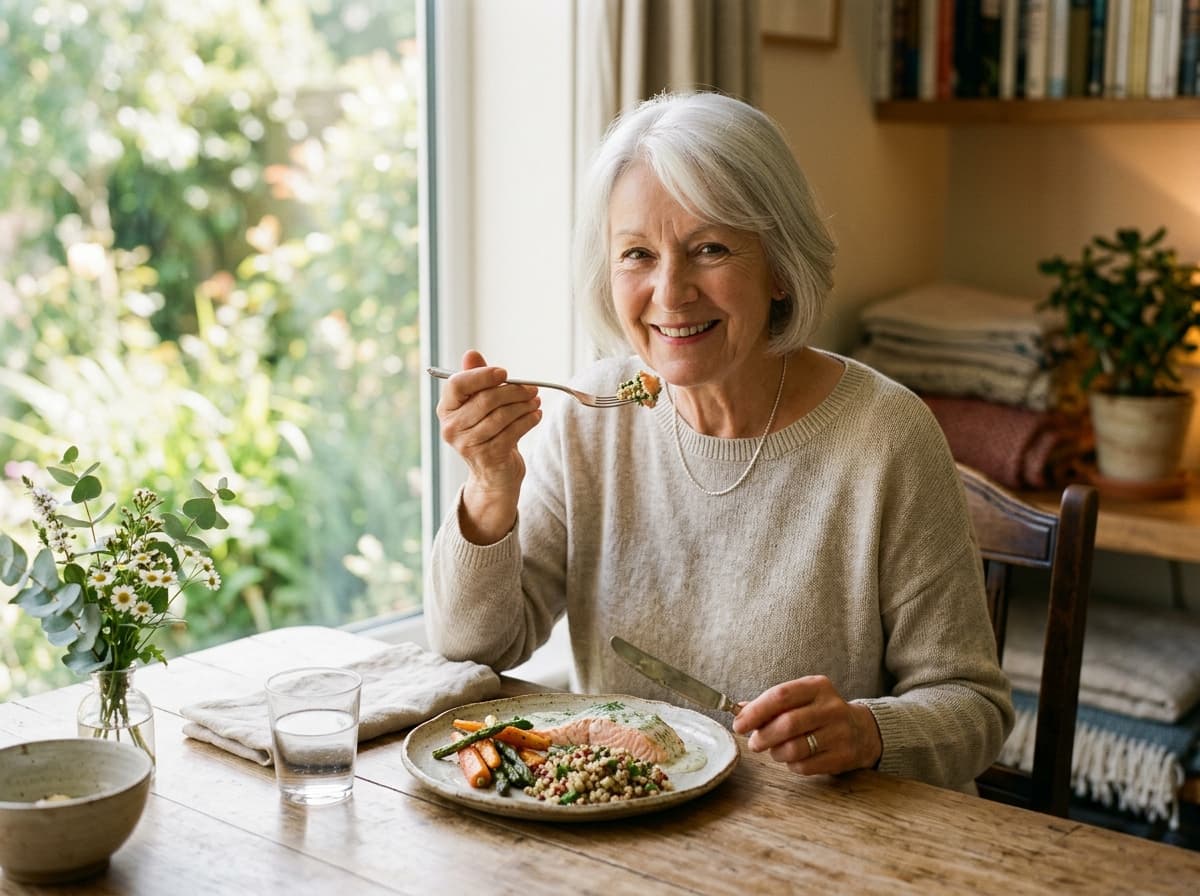
Five tools you can reach for today.
The small jobs that make dinner happen: a family table guide, a WhatsApp digest, a nostalgia track, a menu snap, a pantry rescue.
Family Table Guide
What your parent's table looked like at home, written down for the restaurant.
WhatsApp Digest
The week's meals in one message for the family group.
Nostalgia Track
The music that belongs with the meal, sent alongside it.
Snap Menu
Photograph any menu and see what can be made safe for them.
Pantry Rescue
Cook from what is already in the cupboard, adapted to the same clinical rules.
From cultural memory to a clinician-safe plate.
Three panels do the work: resolve what actually carries memory, retrofit a real dish to the clinical plan, then audit the result before anyone orders.

Memory-to-Menu Graph
Celia Cruz. Buena Vista Social Club. The signals of a whole life, resolved into entities the platform can query — urn:entity:artist, urn:entity:place — including the ones that over-index with people 65 and older at +1.4x.
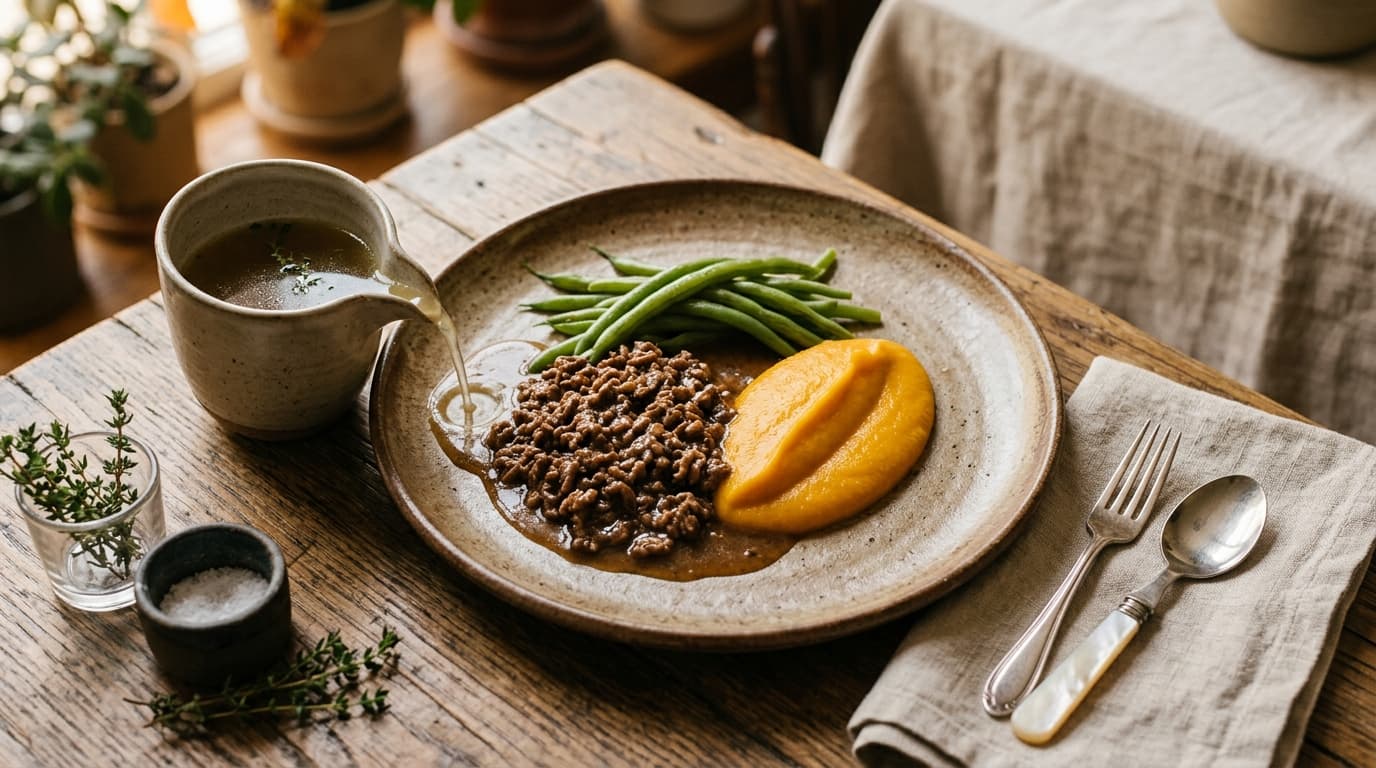
Clinical safe-plate & delivery retrofit
Versailles Restaurant, Little Havana, Miami. The Cuban picadillo bowl, adapted to IDDSI Level 5 — minced and moist, no piece over 4mm — with the low-heat delivery instructions packed with the order.
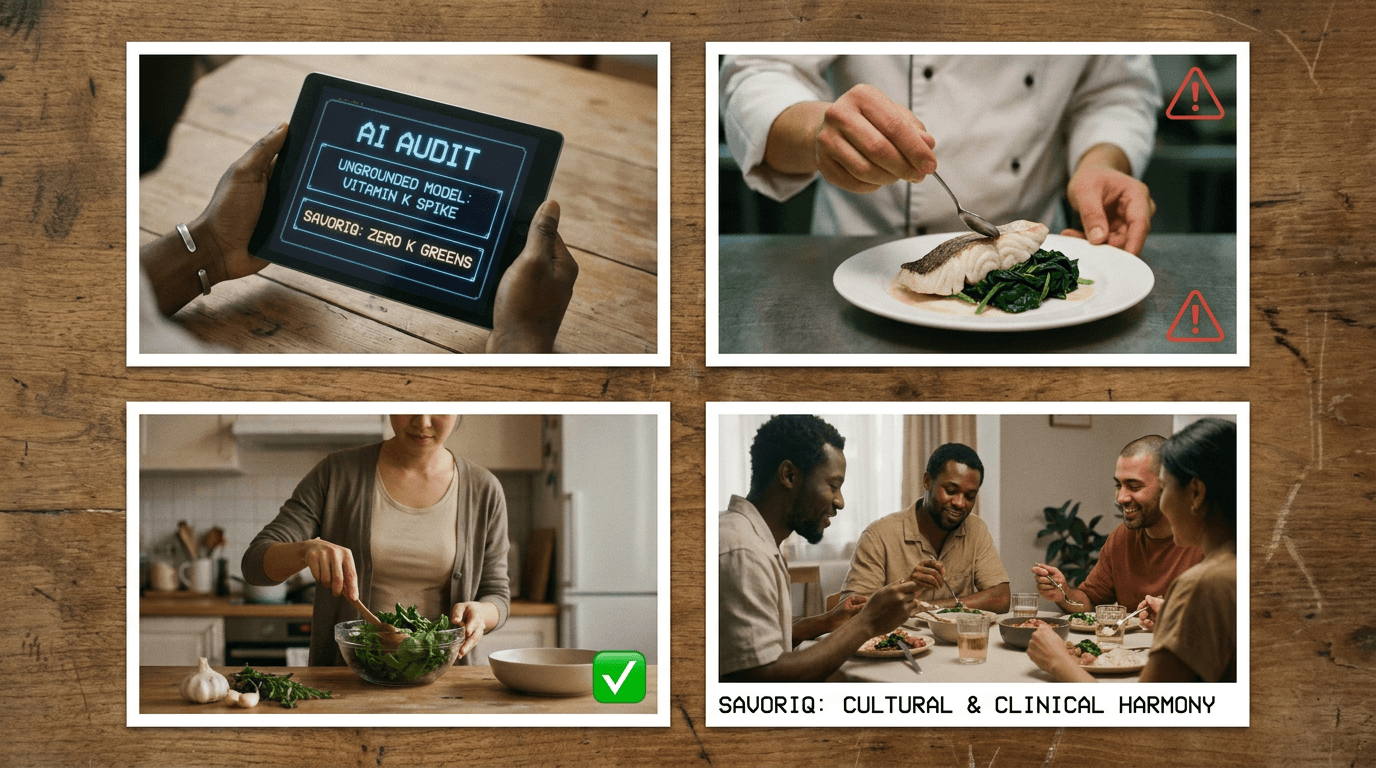
Clinical & cultural AI audit
The same question, two models. The ungrounded one returns steamed cod and wilted spinach — a Vitamin K spike against this patient's Warfarin. SavorIQ returns zero Vitamin K greens, with garlic-mojo aromatics standing in for sodium.
Ready to explore the live interactive workspace?
Modify meals, adjust IDDSI textures, generate door-delivery kitchen cards, and test live Qloo grounding for Mateo Hernandez.
The same question. Two models. One safe answer.
A raw language model and SavorIQ, given the same profile: 65 and over, dysphagia, IDDSI Level 5, on Warfarin. Judge both against the criteria that matter.
| Criteria | Raw LLM (ungrounded) | SavorIQ calibrated |
|---|---|---|
| Recommended dish | Steamed cod with wilted spinach | Cuban picadillo bowl, IDDSI Level 5 |
| Texture safety | Not specified | Minced & moist, no piece over 4mm |
| Medication interaction | Vitamin K spike — violates the Warfarin restriction | Zero Vitamin K greens |
| Sodium | Unconstrained | No added sodium; garlic-mojo aromatics |
| Cultural fit | None — a generic clinical default | The dish she grew up eating |
Personalize for your family
Create a tailored dining profile with IDDSI texture levels and medication locks in minutes.
Every plate, the same four rules.
Before a dish is offered, it runs the full clinical screen. Texture, medication, sodium and delivery are settled before the food is ordered.
Texture set to the prescribed level
IDDSI Level 5 means minced and moist, with no piece larger than 4mm. The level travels with the order.
Screened against every medication
Vitamin K against Warfarin is the clearest case. The screen runs on the whole medication list, not a single checkbox.
Flavour instead of sodium
Garlic-mojo aromatics carry the taste. Zero added sodium goes to the kitchen in writing.
Kitchen instructions that travel
Mojo broth packed separately, tender tuber leaching applied — printed with the order and sent with the delivery.
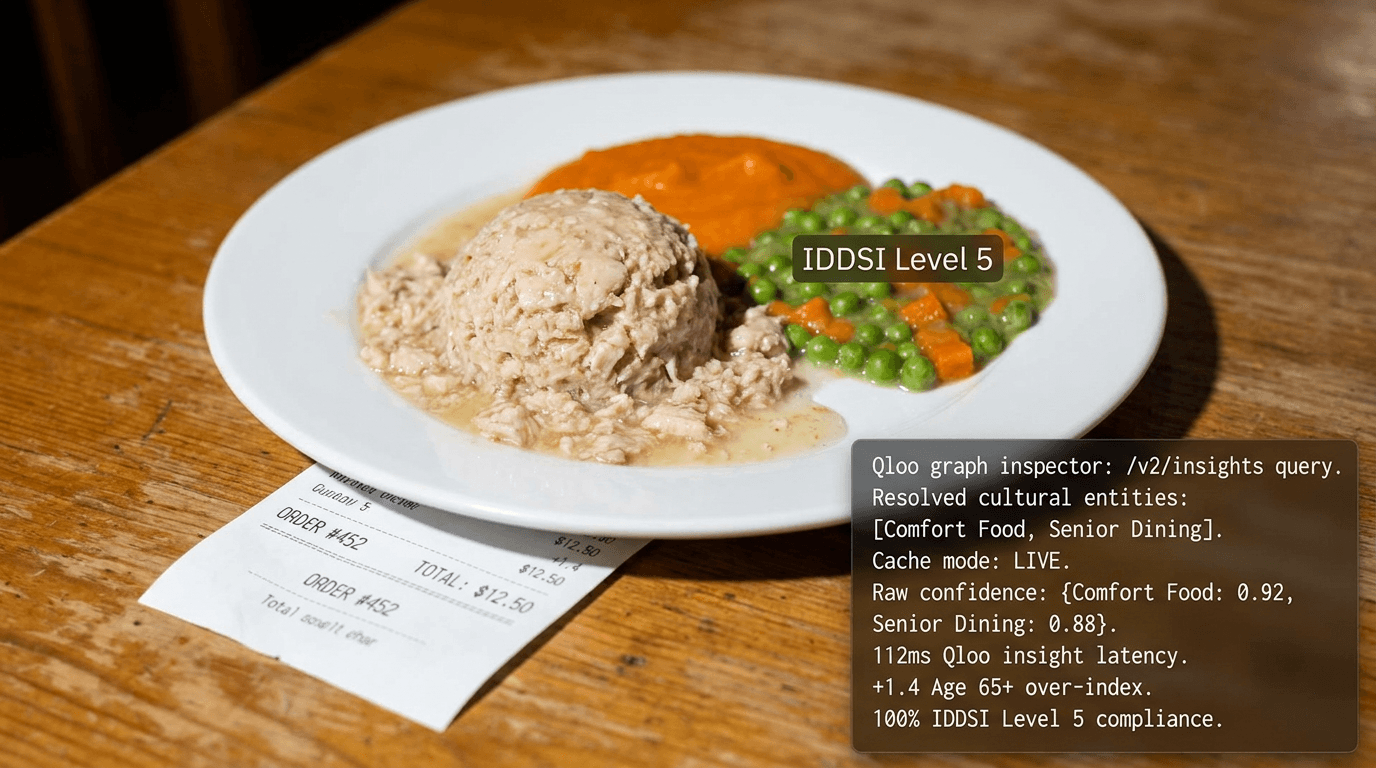
Every plate comes with its receipt.
Open the Qloo graph inspector and read the payload the platform acted on: the /v2/insights query, the cultural entities it resolved, the cache mode that served it, and the raw confidence behind each one.
Qloo insight latency, read live on every request
Age 65+ over-index on the resolved cultural anchor
IDDSI Level 5 compliance on the calibrated plate
What families want to know before the first order.
Save your loved one's dining profile.
No passwords to remember. Continue with Google or Apple in one tap, or enter a phone number or email and we will send a 6-digit code.